Welcome, dear reader!
To begin this philosophical essay, we need to go to the root of the word; I’m referring to the etymology of the word “lie.” The term “lie” originates from the Latin root “mentiri,” which is linked to “mens” (mind). The mind, which in turn refers to the human brain, is divided into two parts: the right hemisphere and the left hemisphere. Why am I referring to the physical organ in this text? Because the act of lying is nothing more than a parallel truth: we, as human beings, use the “mind” to reshape reality. The act of lying is a duality, which refers to the Latin adjective dualis (“contains two”).
WHAT IS TRUTH?
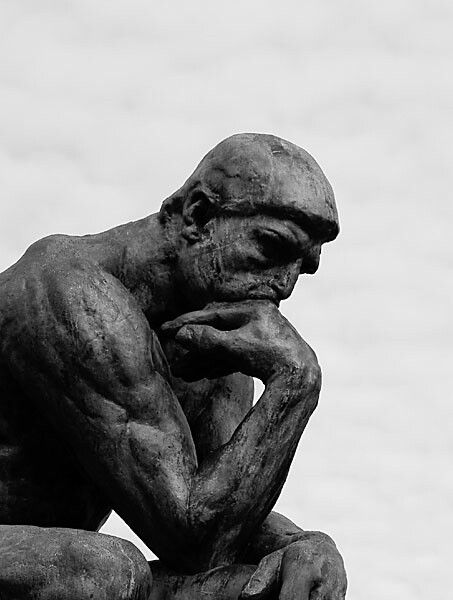
According to the great philosophers:
Plato, who said: “It is true knowledge (episteme), opposed to the opinion (doxa) of the sensible world, representing the very essence of things (ontological truth).”
Aristotle: “To say of what is that it is not, or of what is not that it is, is false; while to say of what is that it is, and of what is not that it is not, is true.” (Metaphysics, Book 1).
Socrates: sought the truth in the public square, disturbing citizens so that they would reflect on their opinions (doxa) and recognize their own ignorance (“I only know that I know nothing”).
BUILDING A LIE
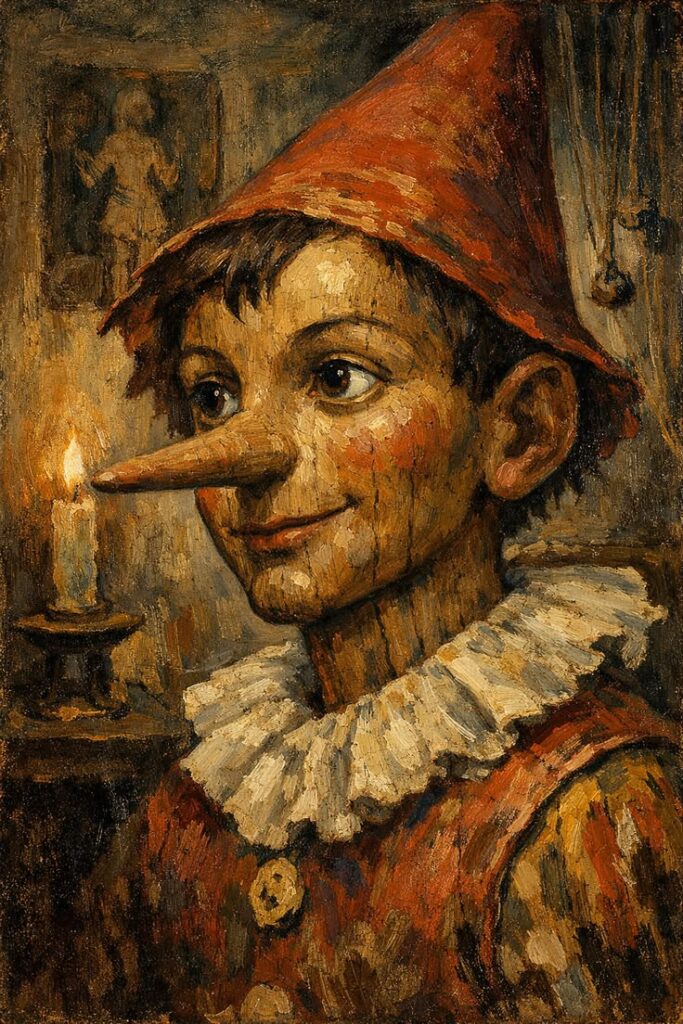
To construct a lie, we need, so to speak, to place a veil of falsehood over an absolute truth. But how?
Have you ever heard of the Asch experiment?
Conducted by psychologist Solomon Asch in 1951, it is one of the most famous studies in social psychology on conformity. That’s right, a lie only grows and bears fruit in the fertile ground of collective conformity. But, in addition, you need to faithfully believe in that lie.
Here, in my opinion, are 4 pillars of constructing a lie:
- Conviction (Making the lie your truth)
- Persuasion (The irresistible half-truth)
- Repetition (The lie told a thousand times)
- Collective Validation (The stamp that authorizes)
Symbolism of lying
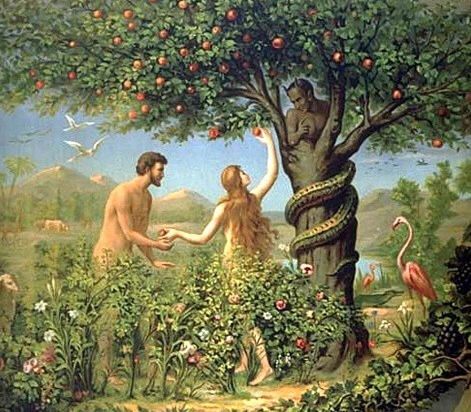
In the biblical text of Genesis:
Now the serpent was more crafty than any of the wild animals the Lord God had made. He said to the woman, “Did God really say, ‘You must not eat from any tree in the garden’?”
2- The woman said to the serpent, “We may eat fruit from the trees in the garden.
3- But God did say, ‘You must not eat fruit from the tree that is in the middle of the garden, and you must not touch it, or you will die.’”
4- “You will not certainly die,” the serpent said to the woman.
5- “For God knows that when you eat from it your eyes will be opened, and you will be like God, knowing good and evil.” ( Genesis 3 New International Version (NIV).
Do you remember that, at the beginning of this philosophical essay, I mentioned duality? And that it is the trigger for a lie to begin to be told?
In the first dialogue cited in the Bible, we have a supposed serpent conversing with a woman; obviously, this is pure symbolism, but to pass judgment on what really happens in that celestial garden would be presumptuous. The fact is that the dialogue begins by casting doubt on an absolute truth. “Did God really say…” is an assumption, an attempt to make an untruth an undeniable truth.
Immediately afterward, we have the persuasion: “You will certainly not die,” the serpent said to the woman.
And what we see next is nothing more than repetition. She tells the lie to her husband. “Then the eyes of both of them were opened…” Genesis 3:7, because a lie told alone is almost a utopia, but a lie told to two or more is a reality.
Then the Lord God said to the woman, “What is this that you have done?” The woman said, “The serpent deceived me, and I ate.” Gen 3:13.
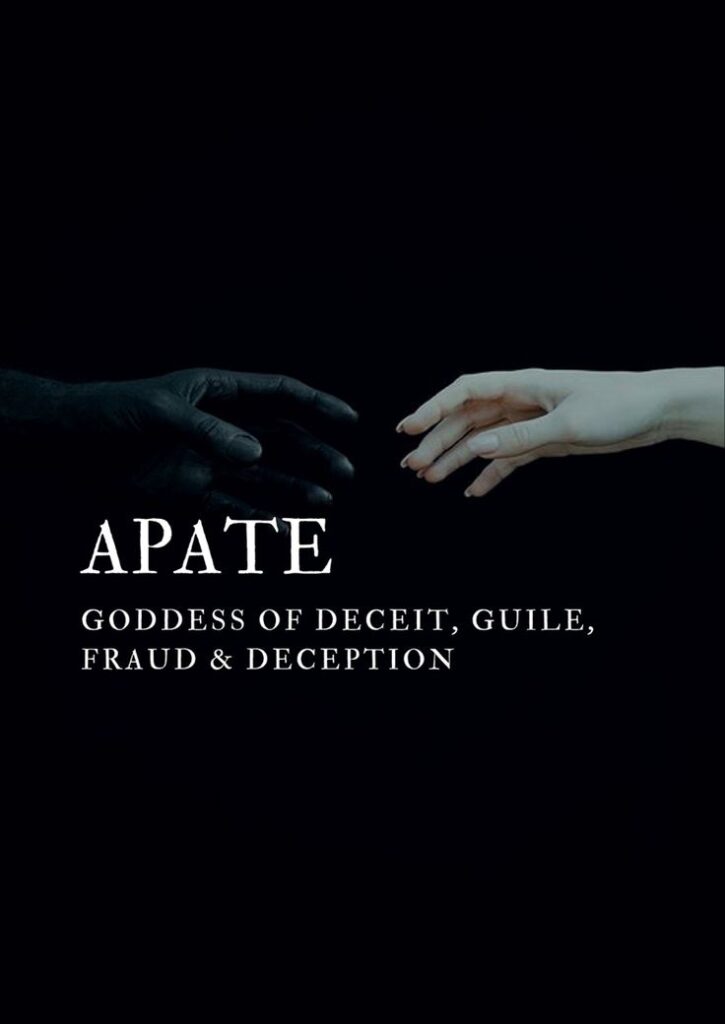
In Greek mythology, we have Apate, which means to deceive” or “to persuade.” According to Hesiod’s Theogony, Apate was born from the union of Nyx (Night) and Erebus (Darkness), and its role was to spread chaos and falsehood throughout the world.
A lie will never be born without covering something up; a line of truth hides so that deception can radiate its artificial rays of light.
Modern Liers
Lies in our contemporary society are fast-paced, and they dictate the rules of the game with the advent of the internet, which, incidentally, has become a factory for manufacturing lies. We practically wake up and go to sleep with some kind of lie.
Marketing is nothing more than a strategic lie to sell, and it generates millions a year. If you intend to sell, you will probably need to persuade, and usually one way to persuade is to lie.
In “The Presentation of Self in Everyday Life” (1959), Erving Goffman identifies a theatrical performance in human behavior, the well-known “living by appearances.” It’s almost as if we need to pretend and lie to survive in society.
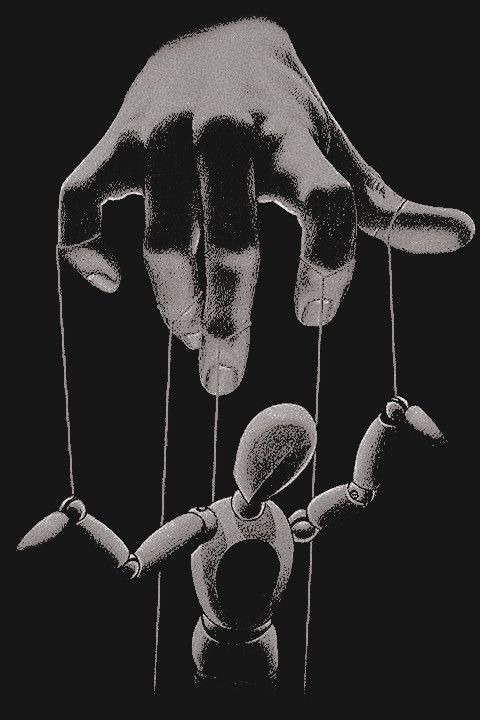
Hannah Arendt addresses the modern lying of the masses in fundamental essays such as “Truth and Politics” and “The Lie in Politics.” When lies are told by media outlets, religious and political leaders, and we almost want to create a new reality based on lies without room for contestation, that’s where the danger lies.
Great content! Keep up the good work!